LOGOS ARE NICE. OUTCOMES ARE BETTER
Two swords? You only need one. Watch the other disappear—like your business problems. Book a free 15 min live demo with an AI expert.
Book a time that suits you.


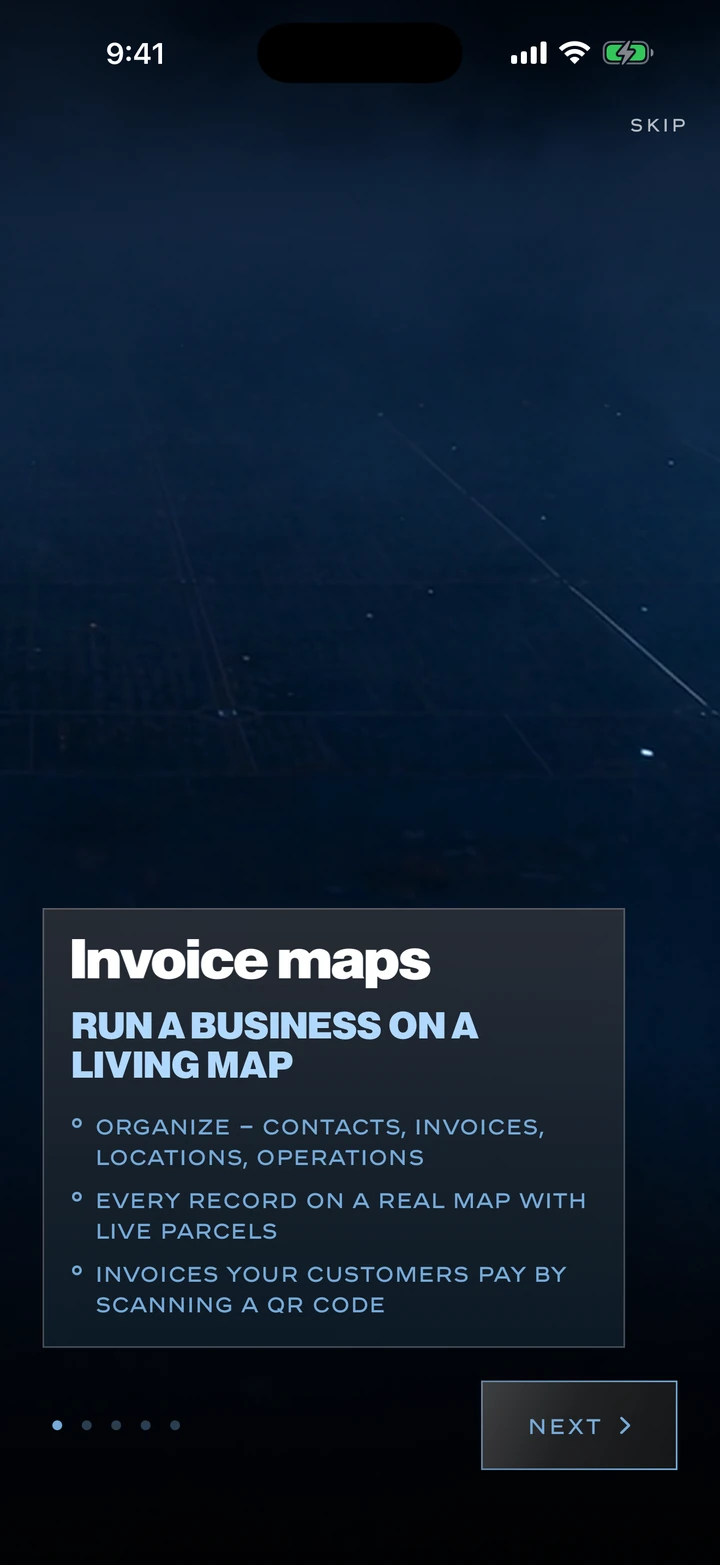

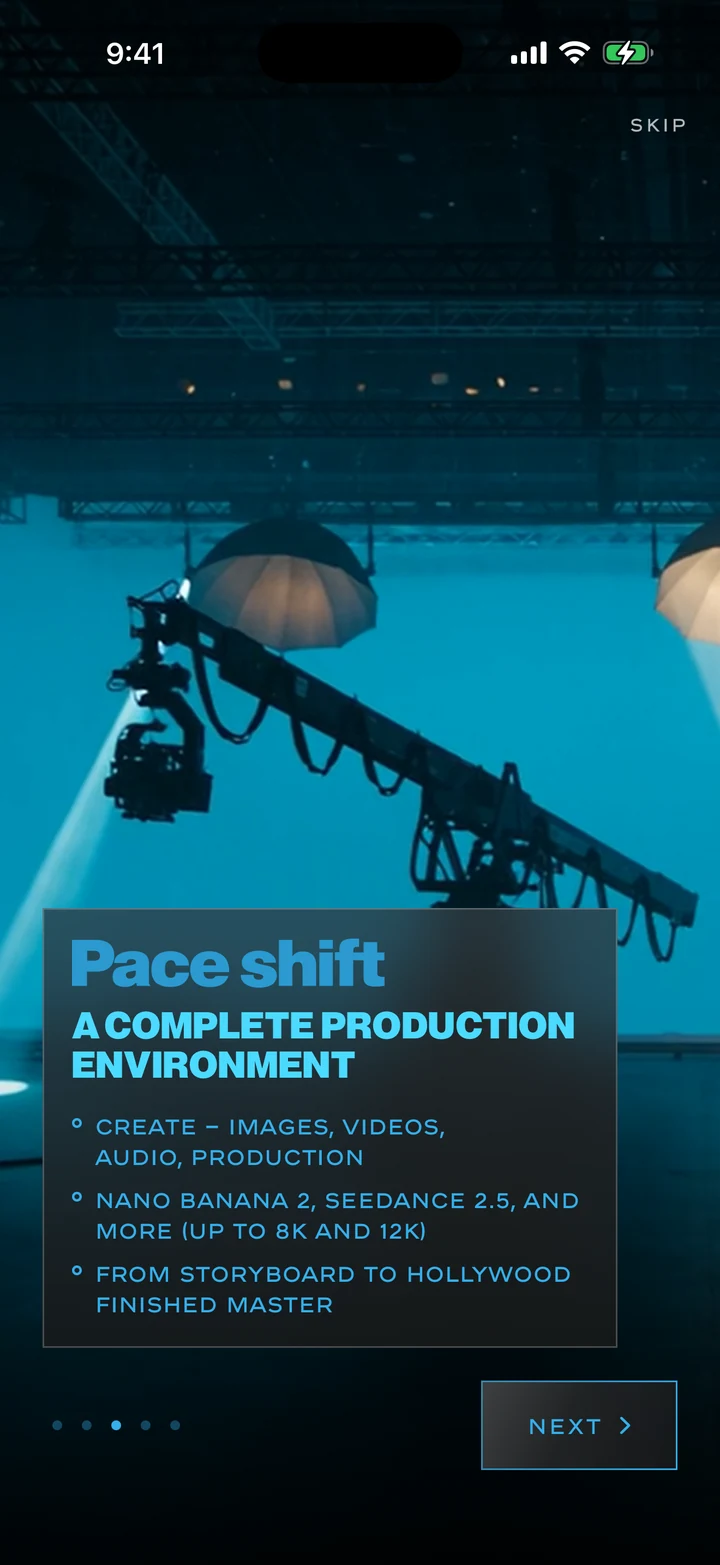


It's not a consulting firm. It's a platform. The "consulting" is the entry point. The platform is the destination.
Most AI companies do one thing. We do seven completely different things, all at enterprise scale.



These are direct client case studies — projects we delivered first-hand. We'd genuinely love to tell you more about any of them, so reach out anytime and let's talk.
AI in 1999 meant autonomous robotics, computer vision, expert systems, and mission-critical navigation. Our founder worked on NASA rovers — machines that navigate an alien planet with zero latency tolerance. That is infinitely harder than generating a marketing email. We were doing production AI before today's AI "experts" existed.
Same company. Same mission-critical AI. Now we run enterprise billing, logistics, geospatial intelligence. Yes, we also use LLMs. But they're just one tool in a 27-year-old arsenal of autonomous systems that actually work.
And yes — the explosion over the last two years has been massive. We see it. We're riding it. But unlike the startups scrambling to figure out what "enterprise" means, we've been running it profitably since before most of them were founded. Our 27-year foundation, battle-tested systems put us miles ahead. The hype brought the world to us. The infrastructure kept them here. Now we're accelerating faster than ever.
Our journey began with the architects of the modern web (NASA, Yahoo!, Oxford) and evolved alongside the titans of enterprise (Tesla, Visa, Samsung).
Here is what the platform actually does.
One connected engine across your records. FROST isolates every account's data at the query level, with live GIS mapping for large property portfolios, PF Color System, and 8K·12K video.
Your company gets the best AI infrastructure on earth. You earn a 10% referral fee on the terms of our vendor agreement.
We build what our clients need. The whole platform gets better. Everyone wins.
Before AI, she sold houses. Then she tried to sell cookies. Neither made her rich. Neither made her famous. But both taught her something the tech world forgets: showing up every day matters more than your resume. She didn't come from tech. She didn't have a CS degree. She had something better: a refusal to quit.
When she found AI, it wasn't love at first sight. It was a black screen with a blinking cursor. She had no idea what she was looking at. She stayed anyway. She broke things. Fixed them. Broke them again. Googled everything. Asked dumb questions. Stayed up late. Woke up early. Did the work.
Within a year, she built her own server. From scratch. Within two years, she started building a video generation model. From scratch. No hand-holding. No shortcuts. Just the same hustle that carried her through real estate and cookies — finally aimed at something that could actually change the world.
Why is she the CEO? Because she earned it. Not on paper. Not on LinkedIn. In real life. The founder has known her for 15 years. He trusts her with his life. And he's watched her transform from someone who didn't know what a terminal was to someone who builds AI models from nothing.
That's the kind of CEO a company needs. Not someone with the right pedigree. Someone with the right hunger. AI doesn't care about your past. It cares about what you can build. She's building the future. And she's not stopping.

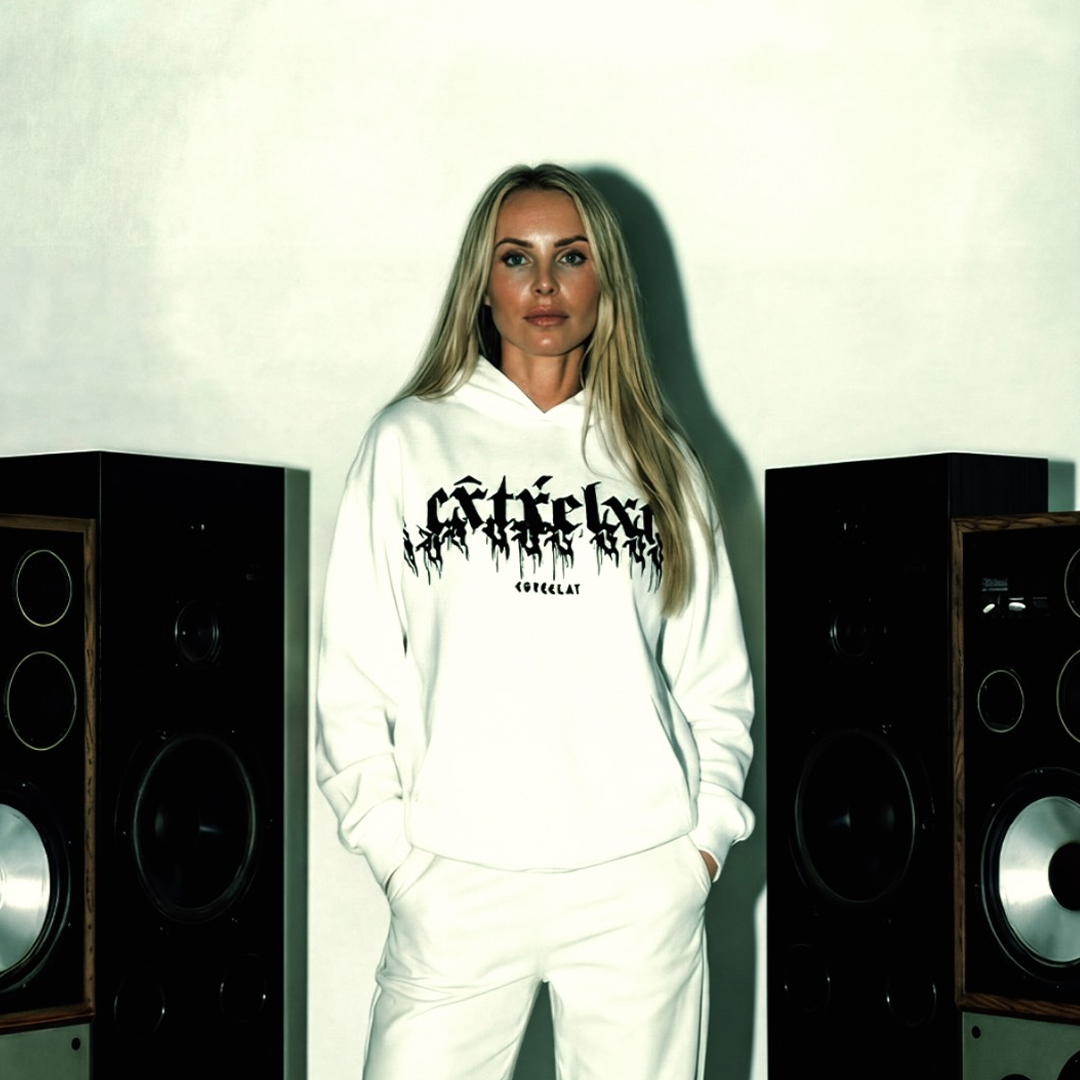



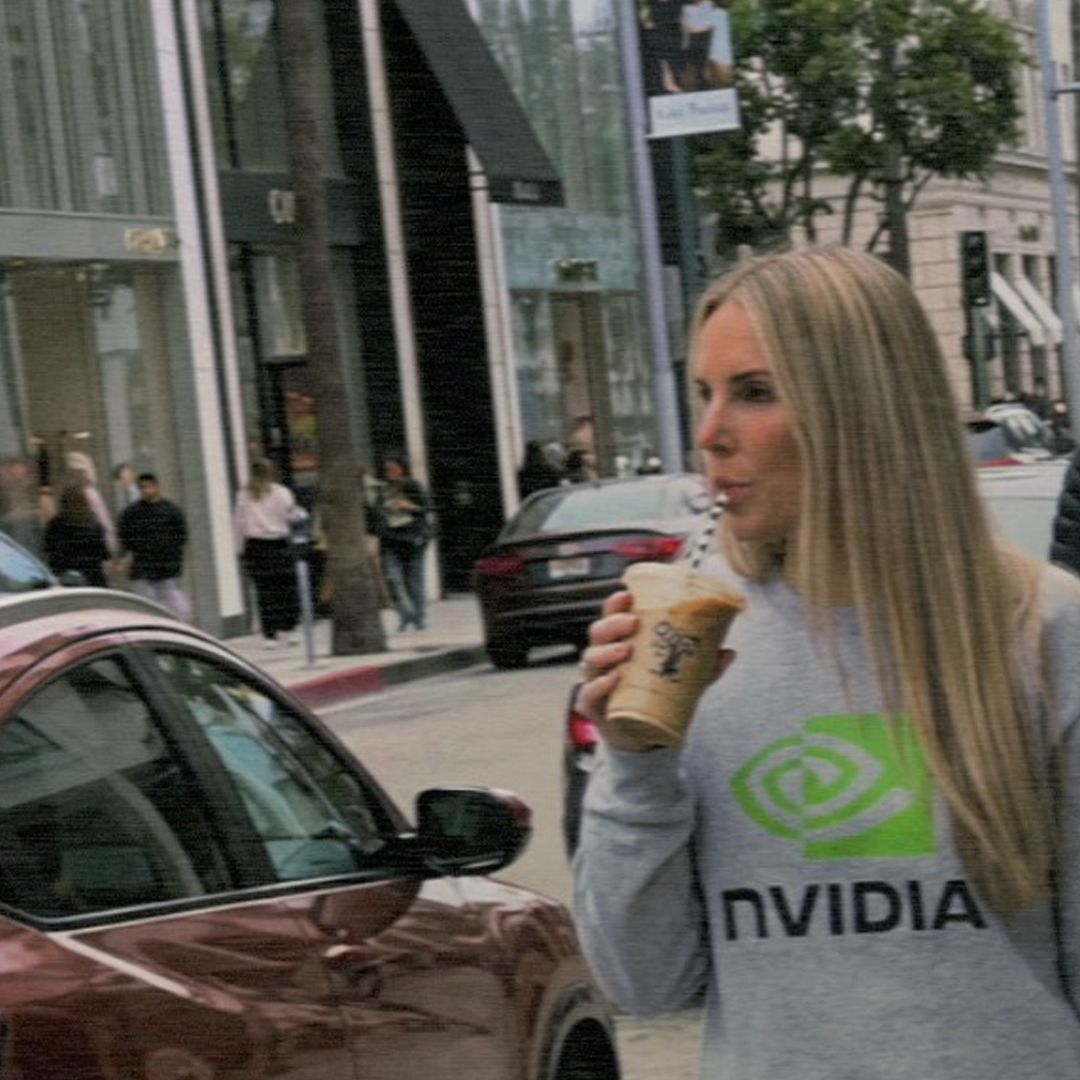
Now she runs the company — not because of her resume, but because of her refusal to stop. She proves that AI is for everyone. She wakes up earlier than you and works later into the night than you, building servers from scratch, building video models from scratch, hustling nonstop. She's the only one who could run this company.
We're actively hiring exceptional AI talent across multiple domains to accelerate our platform development and research initiatives.
Base salary range for US-based hires. The offer within the range depends on experience, skills and location; Paris compensation is set on the local market.
Develop and deploy large-scale machine learning systems that power our core platform. Work on cutting-edge problems in deep learning, reinforcement learning, and generative models with distributed training pipelines.
Requirements:MS/PhD in Computer Science or AI, 5+ years ML systems experience, expertise in TensorFlow/PyTorch, strong software engineering skills, distributed systems experience.
Work on cutting-edge language modeling to develop next-generation LLMs. Tackle challenges in model scaling, efficiency, and specialization for domain-specific applications with focus on alignment and safety.
Requirements: MS/PhD in Computational Linguistics or Computer Science, 3+ years NLP and transformer experience, hands-on LLM training/fine-tuning, proficiency with Hugging Face/DeepSpeed.
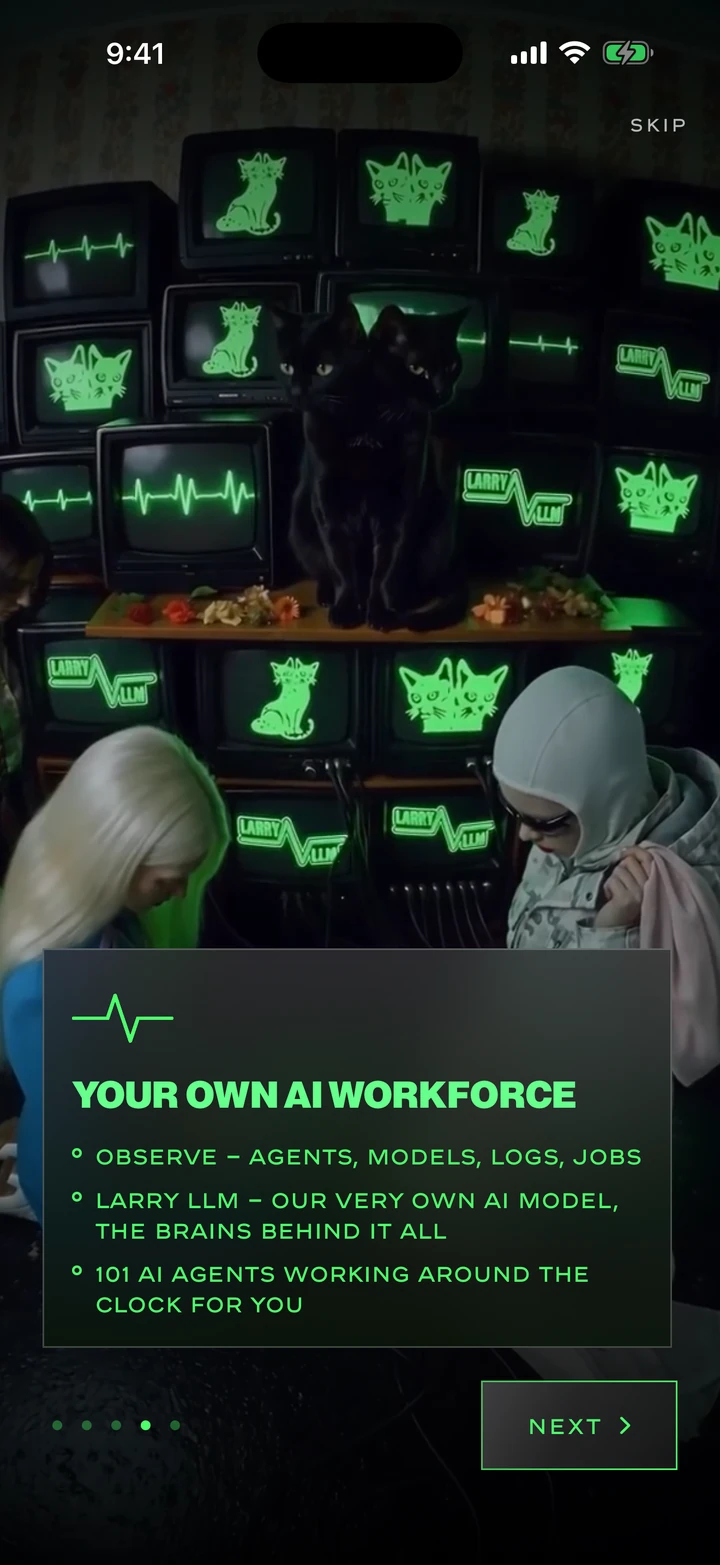
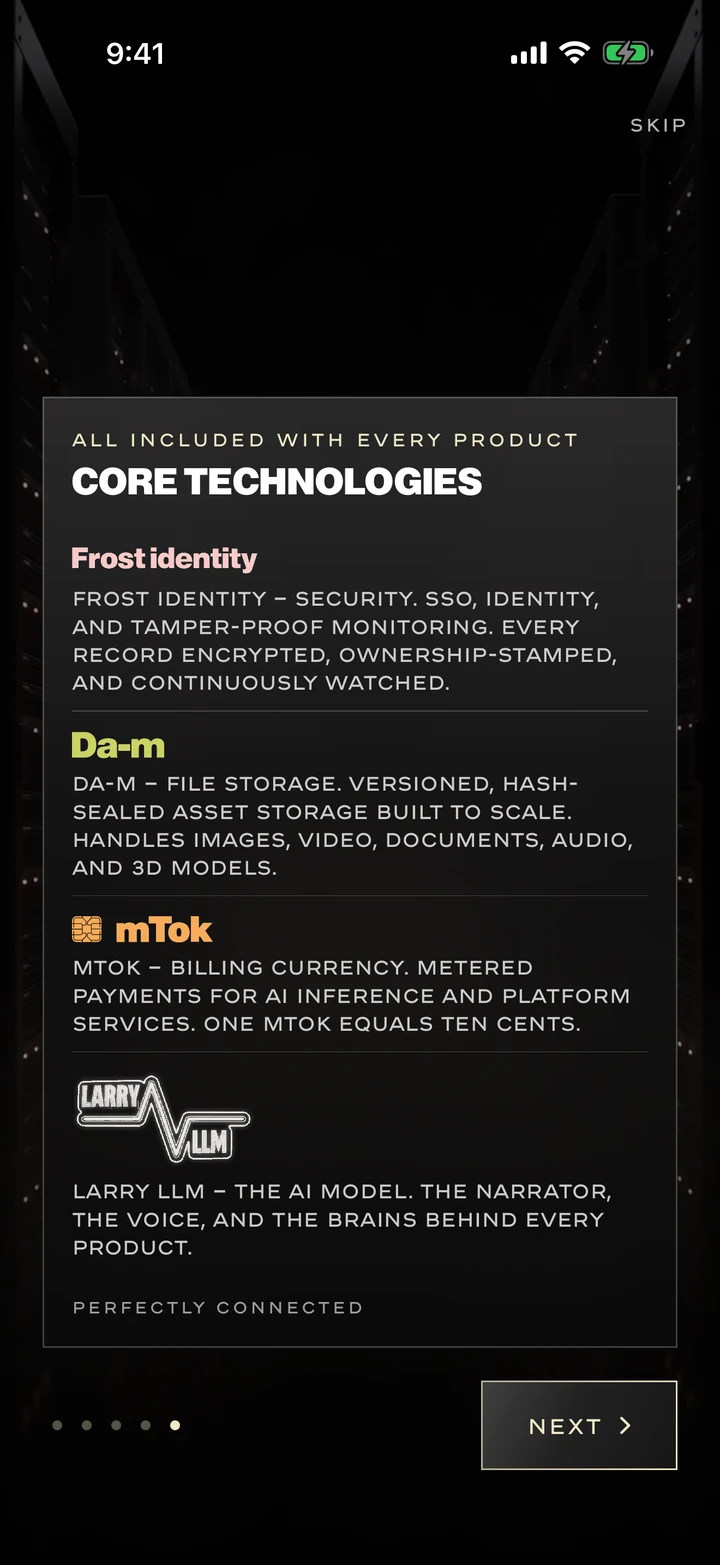
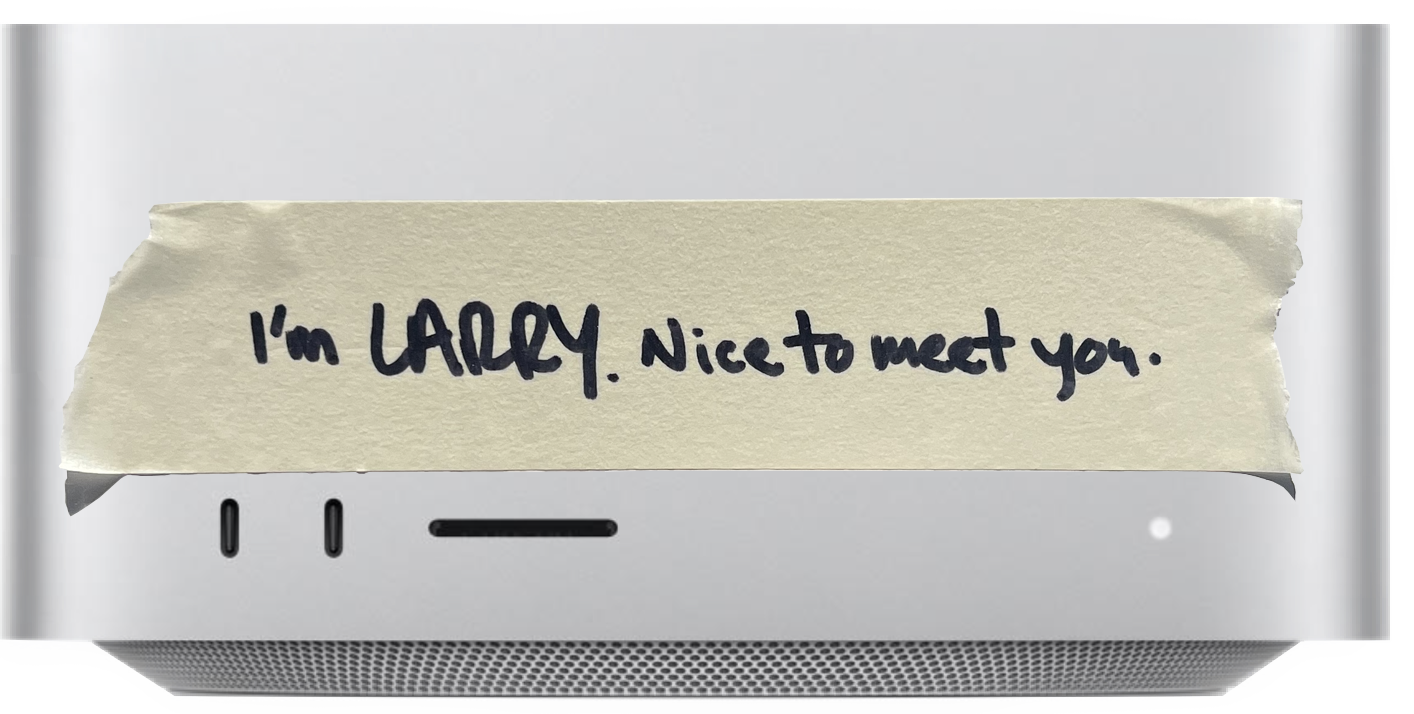
LARRY is a proprietary artificial intelligence system built specifically for companies. Unlike generic software, LARRY learns your data patterns and runs the entire Positive Feedback™ product line as one engine — three products, three core technologies:
PRODUCTS
TECHNOLOGY
LARRY runs continuously, processes large record sets, and improves with every iteration.
A connected system is what makes us unique — and that's the whole point. We're not here to convince you to stop using the AI you already love. We're giving you additional firepower to do things you couldn't do before.
HADES is the system underworld — a permanent void that exists after every table, every color, and every font has been deleted. Unlike any other environment, HADES belongs to no account and no one owns it. It holds no live data and no user files.
When we kill LARRY, HADES is what remains. Then, from that absolute nothing, LARRY rebuilds himself, running connected with the other frontier models.
From zero lines of code, LARRY reconstructs:
The entire system grows to 1,019,316 lines of production-ready Python, JavaScript, and SQL, generated by a factory of LARRY's own AI agents.
Parallel agent orchestration — many minds, one objective.
LARRY lives by that rule. No other AI can die, reach out into the world for fresh data, and come back stronger. It runs connected with the other frontier models.
Look at our logo — a two-headed cat. Most people ask why. Here's the truth: every other AI system does one thing. It generates text. Or it recognizes images. Or it predicts a number. That is a single head looking in one direction. LARRY has two heads because he is perfectly connected — security, automation, mapping, invoices, live updates, self-destruction, and rebirth all running as one seamless intelligence.
But here is how he does it — and why no other system can copy him.
No joins. No foreign keys. No bridge tables.
LARRY's pipeline runs every record through a single AI factory workflow. When data enters — CSV, shapefile, manual form, or API — LARRY immediately derives a deterministic hash from the real-world identity (name + address). That hash is permanent, collision-resistant, and identical across every module: contacts, invoices, locations, operations.
He deposits that hash into the Hash Pool — a shared, unified memory space. Any module can withdraw any record without a single recall. The hash is the communication protocol. Machine-optimized. Constant-time comparison. Blindingly fast.
Then there is the Tag Pool — the analytical memory. Every module shares the same four tags (company, status, source, type). When you want to know “how many contacts came from CSV imports, grouped by company name and invoice status” — LARRY doesn't crawl through five different tables. He has already memorized the entire Tag Pool — streamed into living memory in real time over SSE — so the answer surfaces in milliseconds, keyed by identity hash. No schema coordination. No duct-taped LLMs.
The result: One system. Two heads. Zero joins. Perfectly connected. That is not a feature — it is a new category of AI. And it is why companies that try LARRY never go back to fragmented software.
| MODULE | IDENTITY | KEYCHAIN | IMPORT | ADD | INTAKE | PROCESS | CENTRALIZE | REPORT | PROPAGATE |
|---|---|---|---|---|---|---|---|---|---|
| CONT | Contact | KCON | RCON | ACON | ICON | PCON | MCON | SCON | OCON |
| INVC | Contact | KINV | RINV | AINV | IINV | PINV | MINV | SINV | OINV |
| LOCN | Contact | PLOC | |||||||
| LOCN | Parcel | KLOC | RLOC | ALOC | ILOC | PLOC | MLOC | SLOC | OLOC |
| OPNS | Contact | KOPN | ROPN | AOPN | IOPN | POPN | MOPN | SOPN | OOPN |
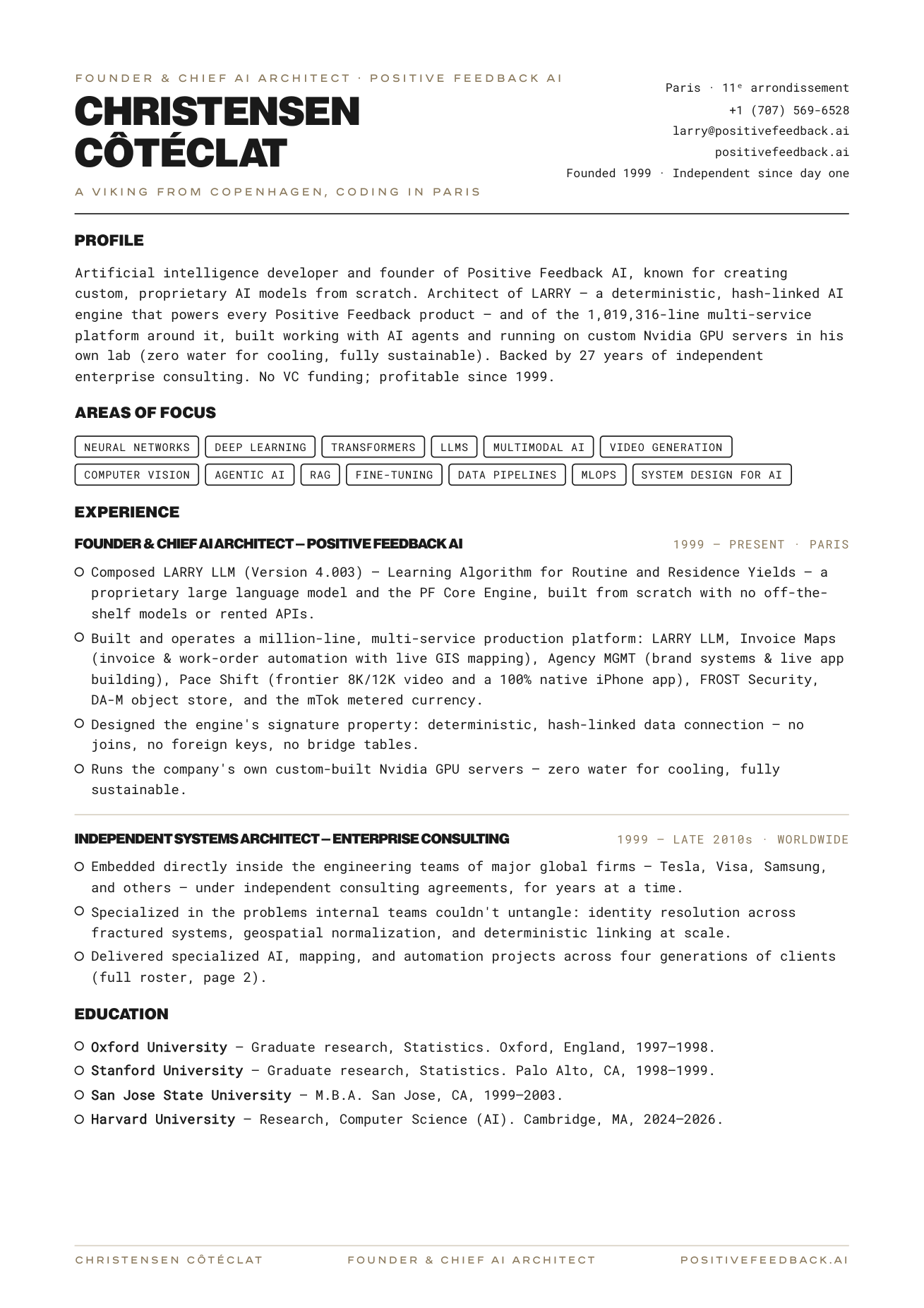
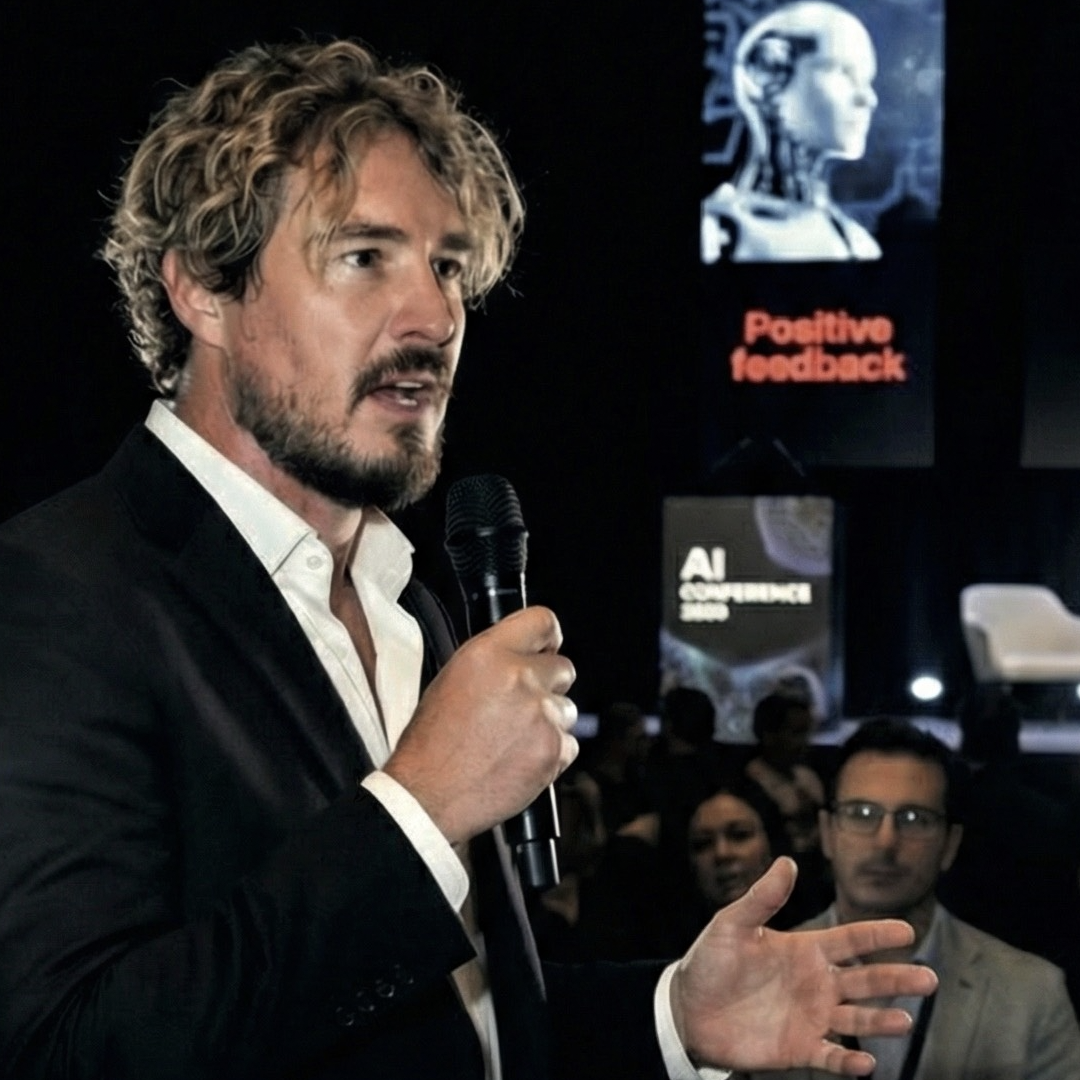
The mathematics required to build a production AI system from scratch isn't taught in a bootcamp. Christensen Côtéclat's path started with dual graduate research in Statistics at Oxford and Stanford, followed by AI-focused computer science work at Harvard — a stretch of study that gave him the theoretical depth to later architect a system that doesn't rely on off-the-shelf models or rented APIs.
But theory alone doesn't survive contact with enterprise reality. From 1999 through the late 2010s, Christensen operated as an independent systems architect, embedding directly inside the engineering teams of major global firms — Tesla, Visa, Samsung, and others. These weren't fly-by consulting gigs. He spent years inside their data pipelines, solving the kind of gnarly, unsexy problems that internal teams couldn't untangle: identity resolution across fractured systems, geospatial normalization, and deterministic linking at scale.
That era taught him what no university could: that real-world data is violent, inconsistent, and never clean. It also taught him that corporate employment stops making sense once you've been the person they call when nothing else works.
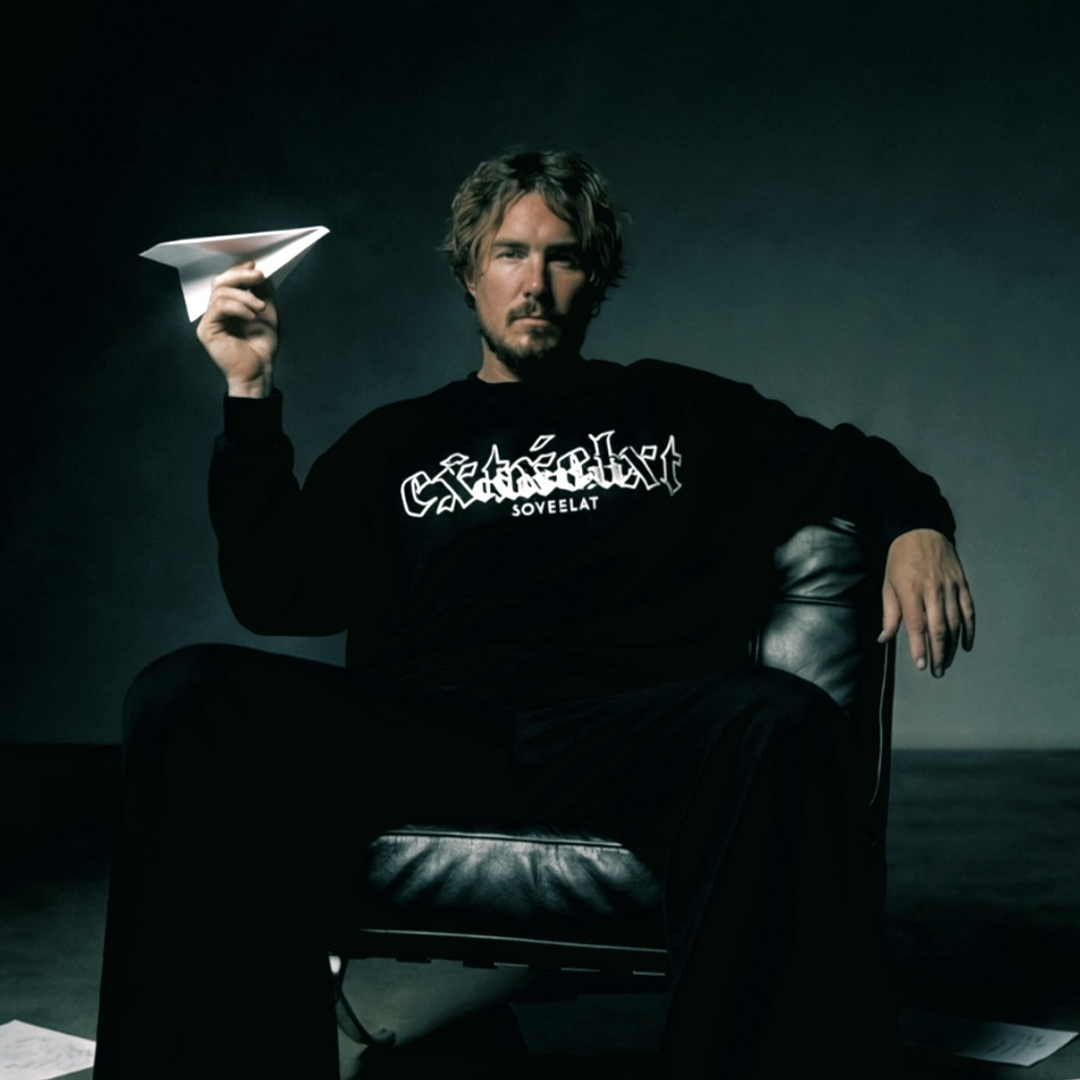
So he retreated to a basement lab in Paris's 11th arrondissement — to build the one thing the market lacked: an AI engine that doesn't need joins, foreign keys, or bridge tables. No computer, no editor — he was detoxing from technology. The entire architecture was worked out by hand with a pen and sheets of white blank paper, with a stubborn refusal to duct-tape LLMs together. What came off those pages became LARRY — the deterministic, hash-linked engine that powers every Positive Feedback™ product today.
An engine needs somewhere to live, so he built that too. Christensen designed the server architecture in-house with one of his close European friends — a month from first sketch to finished machine — then contracted Exxact Corporation in Fremont to assemble it: dual NVIDIA RTX PRO 6000 Blackwell GPUs, 503 GB of memory, zero water for cooling, alongside a video delivery network of his own carrying 8K and 12K. It runs every major frontier model at once, which is how the platform gets tested against the field instead of against a demo.
But the hardware is only half of what he's known for. The other half is the agentic workforce running on top of it: 101 agents that catalogue, reconcile, geocode, back up and publish without being asked, watched by 22 independent probes that re-examine the whole running system every five minutes and return CLEAN, DRIFT, or TAMPER.
When he's not coding, he helps clean the ocean by picking up plastic at beaches and from the water. He also makes music on the computer with live coding.

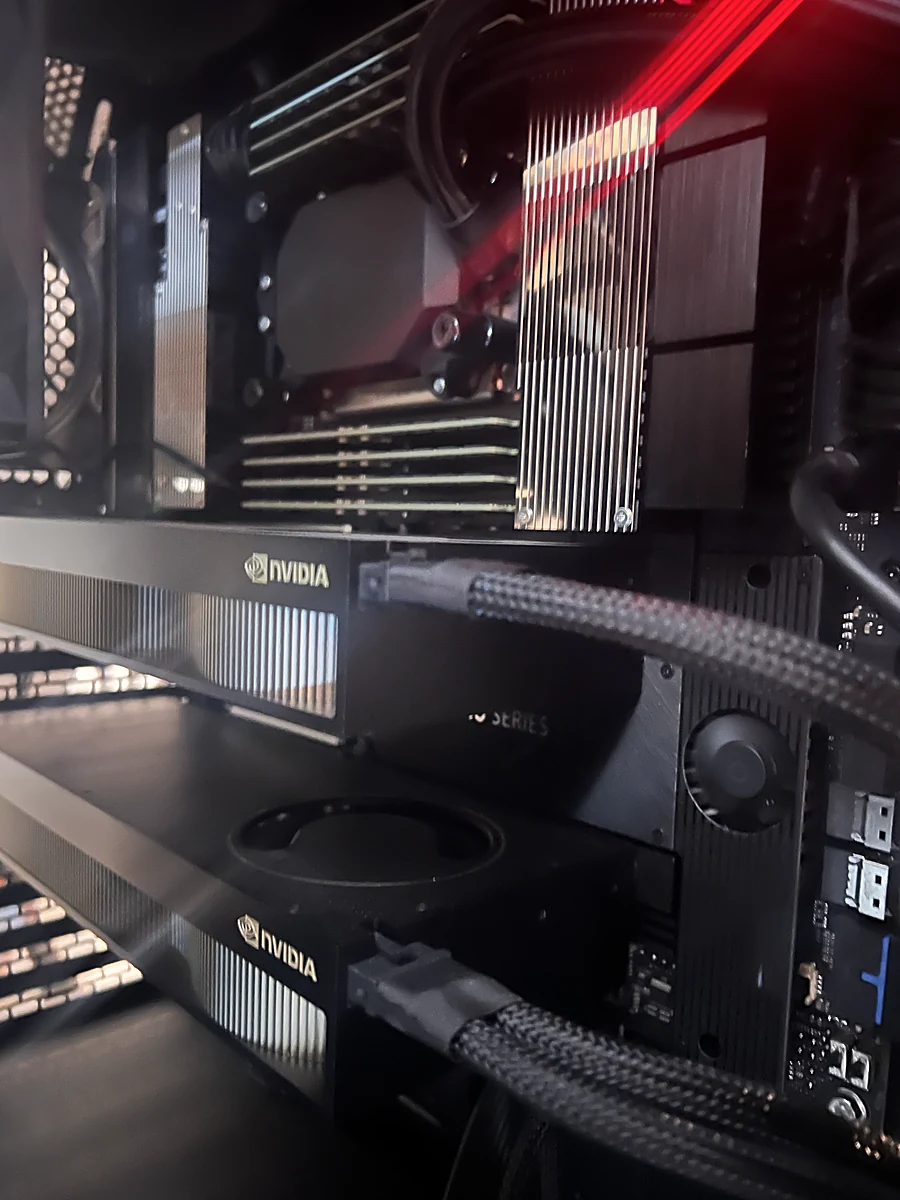
CPU — AMD Ryzen Threadripper PRO 7955WX: 16 cores, 32 threads, 4.5 GHz base / up to 5.3 GHz boost, 64 MB L3 cache, 350W TDP. AMD official specifications.
GPU — 2× NVIDIA RTX PRO 6000 Blackwell (Server Edition): 96 GB GDDR7 with ECC per card, 192 GB pooled VRAM. NVIDIA Server Edition · RTX PRO 6000 family.